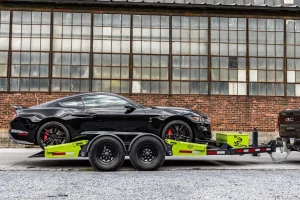

Enclosed Car Transport provides additional protection for luxury, classic, exotic, collectible, and specialty vehicles during shipping. Drivexa Car Transport helps customers arrange transportation using covered vehicle carriers that reduce exposure to weather, dust, and road debris, making enclosed shipping a valuable option for automobiles that require extra attention.
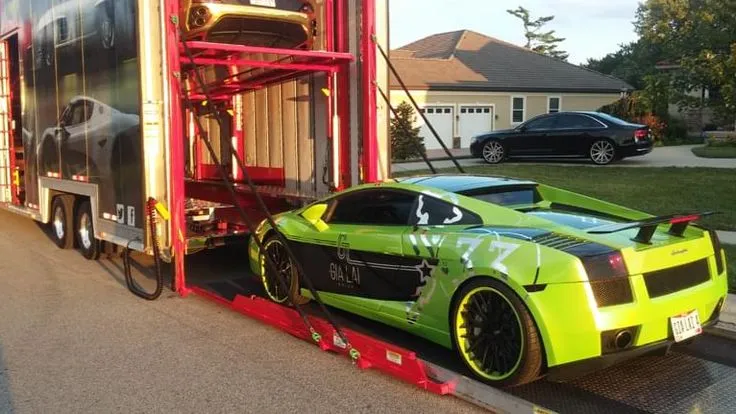
Some vehicles deserve additional consideration when being transported. Whether you own a classic collector car, a luxury sedan, an exotic sports car, or a carefully restored automobile, choosing the right shipping method can make an important difference.
At Drivexa Car Transport, our Enclosed Car Transport service helps customers explore transportation options designed for vehicles that benefit from added protection during transit.
Unlike standard open carrier shipping, enclosed auto transport uses a covered trailer to shield vehicles from direct exposure to outdoor road conditions. This makes it a popular choice among collectors, enthusiasts, dealerships, and owners of high-value automobiles.
From Fort Worth, Texas, to destinations across the United States, we help customers plan enclosed vehicle shipments based on their automobile’s specifications, destination, and scheduling needs.
Enclosed car transport is a vehicle shipping method in which automobiles are transported inside a covered trailer.
The enclosed structure helps protect the vehicle from rain, windblown dust, road debris, and other environmental exposure that may occur during highway transportation.
Enclosed carriers can vary in size, loading configuration, and equipment. Some are designed to transport multiple vehicles, while others are configured for smaller shipments.
Certain carriers may offer specialized loading equipment, such as liftgates, which can be useful for low-clearance sports cars and specialty vehicles. Equipment availability should always be confirmed before booking.
Enclosed transport does not eliminate every possible shipping risk, but it offers an additional layer of physical protection compared with open carrier transportation.
Additional Weather Protection
A covered trailer helps reduce direct exposure to rain, dust, and other outdoor elements during transportation.
Reduced Exposure to Road Debris
Because the vehicle travels inside a trailer, it is less exposed to stones, dirt, and debris encountered on highways.
Suitable for Luxury and Exotic Vehicles
Owners of high-end sports cars, luxury automobiles, and specialty vehicles often select enclosed shipping because of the additional protection it provides.
A Practical Choice for Collectible Cars
Classic and restored vehicles may have delicate finishes, rare components, or significant sentimental value. Enclosed transportation can help reduce unnecessary exposure during the journey.
Specialized Loading Options
Depending on the carrier, enclosed shipping may provide access to equipment designed for vehicles with low ground clearance or unusual dimensions.
Enclosed auto transport is suitable for many types of valuable or specialty automobiles.
Luxury vehicles from premium manufacturers are frequent candidates, particularly when owners want to minimize exposure during long-distance transportation.
Classic cars and restored vehicles are also commonly shipped using enclosed trailers. These automobiles may have custom paintwork, original components, or finishes that owners want to protect.
Exotic sports cars, collectible vehicles, show cars, and certain custom-built automobiles may also benefit from enclosed shipping.
However, enclosed transport is not limited to expensive cars. Any vehicle owner who prefers additional protection can consider this option, subject to carrier availability and vehicle specifications.
The first step is requesting a personalized transport quote.
Provide the vehicle’s year, make, model, pickup address, destination, and preferred transportation dates. You should also disclose important details such as low ground clearance, oversized dimensions, modifications, or mechanical issues.
These details help determine what type of carrier and loading equipment may be appropriate.
After reviewing the proposed arrangements, confirm the shipment and prepare the vehicle for pickup.
Before transportation, clean the exterior and photograph the vehicle from multiple angles. Remove loose personal belongings and secure or remove accessories that could become damaged during loading or transit.
At pickup, the vehicle’s condition should be documented. The carrier then loads and secures the automobile using suitable equipment.
Upon arrival, inspect the vehicle before completing the delivery paperwork. Any new damage or concerns should be recorded promptly according to the applicable transport documents.
Both open and enclosed transportation are established methods of moving vehicles, but they serve different priorities.
Open car transport is generally more affordable and widely available. It works well for standard automobiles and customers who prioritize cost.
Enclosed transportation typically costs more because enclosed carriers have different operating costs, capacity limitations, and equipment requirements.
The additional expense may be worthwhile for owners who place greater value on protecting a vehicle from direct environmental exposure.
When deciding between the two options, consider your vehicle’s value, condition, customization, intended use, and personal preferences.
The cost of enclosed vehicle shipping depends on several factors.
Distance, route popularity, vehicle dimensions, carrier availability, and seasonal demand can all influence pricing.
Special loading requirements may also affect the total cost. For example, a very low sports car may need a trailer equipped with an appropriate loading system.
Pickup and delivery accessibility can influence arrangements, particularly when large transport trailers cannot enter residential streets or restricted properties.
Providing accurate vehicle details is the best way to obtain a useful quote.
Drivexa Car Transport understands that shipping a valuable automobile requires careful planning.
Our goal is to help customers identify appropriate enclosed transportation options, understand the shipping process, and communicate important vehicle requirements before pickup.
Whether you’re transporting a collector car to a new home, arranging delivery after a purchase, or moving a specialty automobile between states, we aim to make the process straightforward and informative.
Give your valuable vehicle the additional consideration it deserves.
Contact Drivexa Car Transport at (817) 518-3988 or info@drivexacartransport.us to discuss enclosed car shipping options and request a personalized estimate.
Find answers to some common questions about car shipping and vehicle transportation.
Car shipping costs depend on distance, vehicle size, transport type, route, seasonal demand, and pickup requirements. Open transport is generally less expensive than enclosed transport. Contact Drivexa Car Transport for a quote based on your shipment.
Transit times vary based on mileage, carrier availability, route conditions, traffic, weather, and scheduling. Long-distance shipments typically require more time than regional moves. Your transport arrangements should include an estimated pickup and delivery window.
Open transport is often the preferred option for standard everyday vehicles because of its affordability and availability. Enclosed transport offers added protection from exposure to weather and road debris, making it attractive for luxury, classic, and specialty vehicles.
Door-to-door transport can often be arranged at your home, workplace, or another accessible location. If a large carrier cannot safely enter your street, an alternative nearby meeting location may be necessary.
Remove personal belongings, clean the vehicle, photograph its condition, check for leaks, maintain a low fuel level as instructed, and make sure it can be safely loaded. Tell the transport provider about modifications or mechanical issues before pickup.

